One summer, Sue and I took our two children on a family vacation to Switzerland. The country may be small—about half the size of South Carolina—but it’s brimming with snow-capped mountains, glacial lakes, waterfalls, and ice caves. It’s a breathtaking place to visit.
When I say “breathtaking,” I mean it literally. I came face to face with my deepest fear: heights. Our son, Matt, was fourteen at the time and fearless. When he saw paragliders soaring down from the mountains near Interlaken, he was captivated. “Dad, let’s do this!” he said. My immediate answer was, “No way.”
Over and over, he pleaded, and over and over, I refused. Finally, I made what I thought was a safe deal: “If you make all the arrangements, I’ll do it with you.” To my surprise, a few minutes later he called back. “It’s all booked. Tomorrow morning.”
The next day, I was standing on a grassy slope 7,000 feet above sea level, strapped to a paraglide pilot. The instructions were simple: Run hard off the cliff, enjoy the view, and run again when you land. Matt bounded forward with ease, but I froze at the edge. My legs turned to lead. I couldn’t enjoy the scenery. And when it came time to land, I locked up again and tumbled across the ground.
My problem wasn’t skill; it was fear.
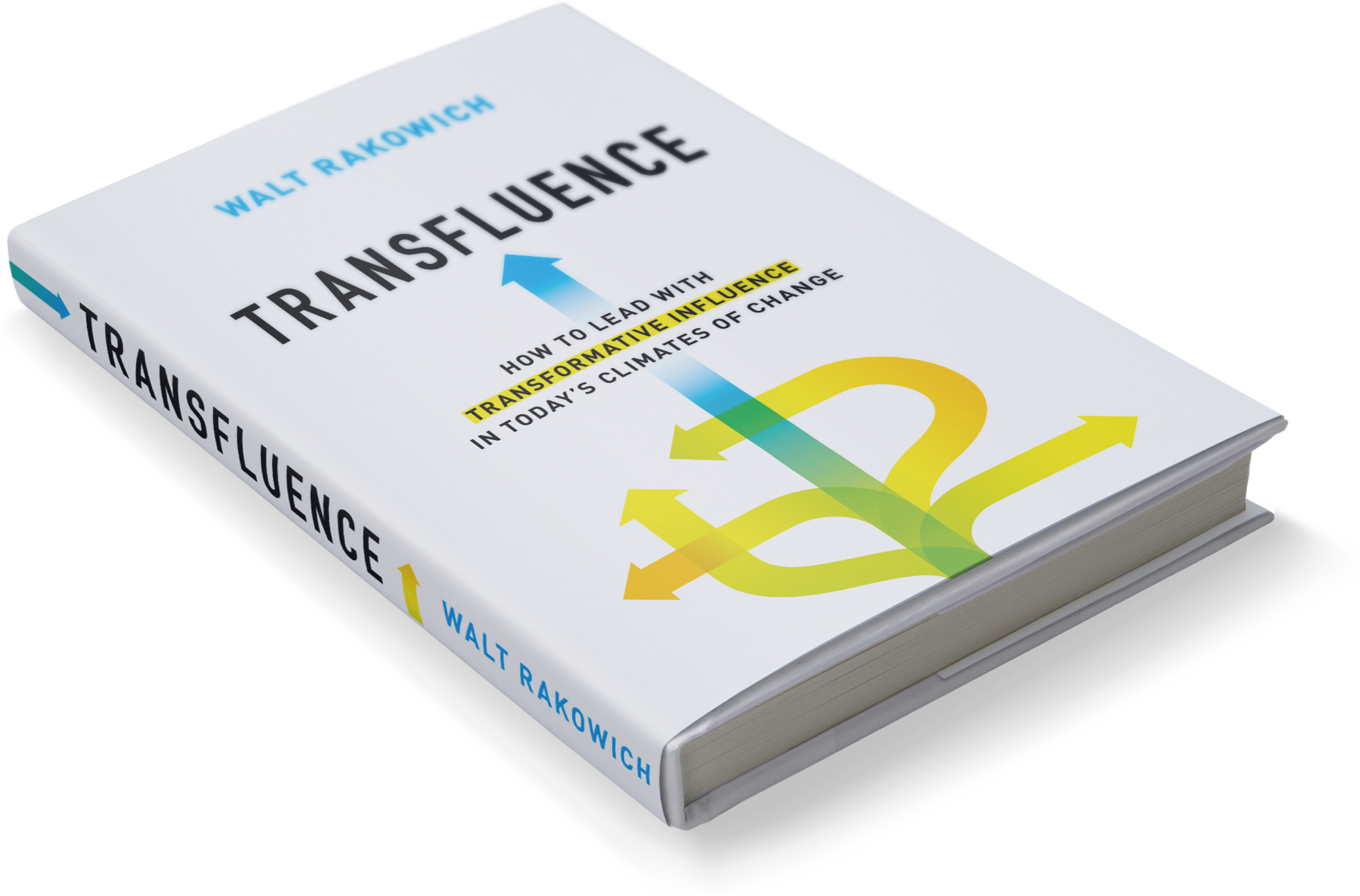
I shared this story in a chapter called “The Faces of Fear” in my book Transfluence. In that chapter, the lesson I unpacked is this: When leaders let fear dictate their actions—whether it’s fear of failure, of appearing incompetent, or of looking vulnerable—it paralyzes them.
Fear keeps them from taking off with confidence, from enjoying the journey, and from landing well. And just like my paragliding experience, that paralysis affects not only their own performance but also the trust and confidence of the people who follow them.
The more distance I gain from telling that story, I realize that fear is a powerful emotion and one that has so many lessons to offer. Maybe it conjures memories of adversities we’ve overcome or challenges when we didn’t quite come out on top.
The next time you find yourself on a grassy ledge 7,000 feet up from sea level or you’re facing a critical moment in the workplace that depends on your performance, consider a few of the additional benefits you might take away from your fears so you can embrace them with courage.
Never miss a post about leadership, transparency, and trust by signing up for my weekly mailing list, delivered right to your inbox. Sign up here.
Fear can be telling you something about your leadership.
Instead of framing fear as something to defeat, use fear as a mirror to show you what you value most. Moments of fear often reveal hidden priorities, unspoken worries, or places where courage matters most.
Fear is “shiftable” when you face it collectively.
Organizations, teams, even entire industries wear “faces of fear” during times of change. What helps everyone face their fears individually is acknowledging and facing the fears collectively—the idea that “We’re stronger together.”
Fear can be the best clue that you’re headed in the right direction.
Fear isn’t just a roadblock; it’s often the signpost pointing toward growth. Fear could be the doorway to transformation, both personally and organizationally. What life lessons can you gather from moving off center?
Fear isn’t always the enemy. If we’re willing to name it and lean into it, fear can become the very thing that sharpens our courage and shapes our leadership. The key is not to eliminate fear but to walk through it with greater self-awareness.