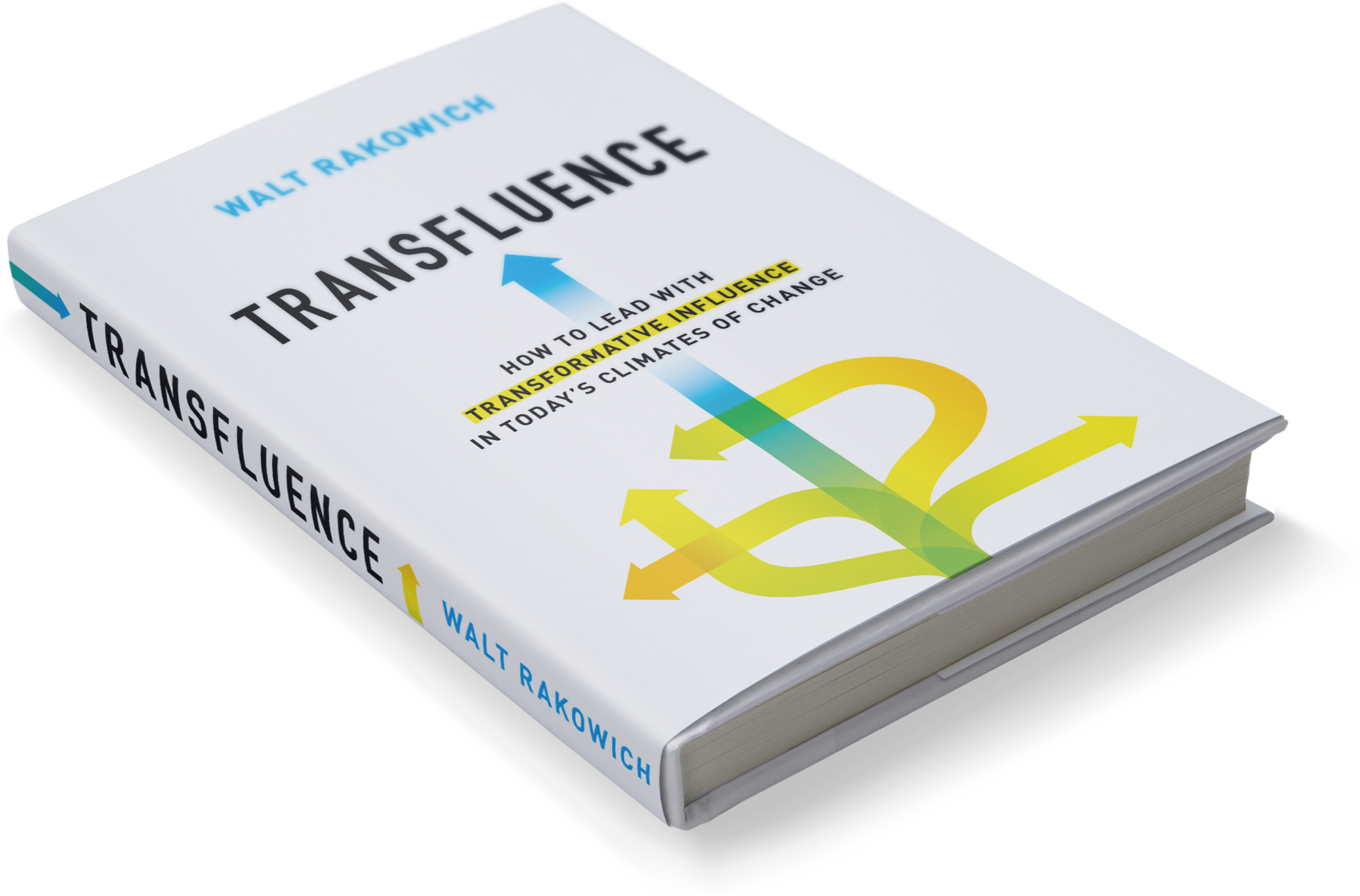
Here’s an interesting bit of trivia for you: the word trust shows up 129 times in Transfluence, the book I wrote about transformative influence that came out in 2020.
If they ever create a “Transfluence edition” of Trivial Pursuit, you’ll be ready. Otherwise, you’ll probably never use that tidbit of information.
I found it interesting, however, because it illustrates the importance I put on trust when I was writing the book. And if you add in the number of times I’ve written about trust in blogs and all the times it’s come up with guests on Off the Rak, you’ll see that I still find the topic highly relevant.
I’m not the only one. Gurus of all stripes — podcasters, bloggers, authors, coaches, consultants, pastors, and psychologists, among others — will all tell you that we need to establish and maintain trust if we want healthy relationships. That applies in business, in families, in churches, in politics, and anywhere else where two or more gather.
Yet while almost everyone agrees about the importance of trust, the global trust crisis continues to worsen.
Here’s a line from a blog I wrote five years ago: The 2021 Edelman Trust Barometer found, “none of the societal leaders we track — government leaders, CEOs, journalists and even religious leaders — are trusted to do what is right, with drops in trust scores for all.”
Now fast-forward to a blog by Richard Edelman about this year’s trust report. With most trust scores continuing to fall, he now describes a “progression from Polarization (a political division) to Grievance (an emotional divide including hostile activism) to Insularity.”
In other words, not only are we making little progress when it comes to cultivating trust, but the backlash from a lack of trust is getting more and more dangerous to society.
Never miss a post about leadership, transparency, and trust by signing up for my weekly mailing list, delivered right to your inbox. Sign up here.
Edelman calls insularity the “next crisis of trust.” This, he says, represents a phase where people “retreat into communities that reinforce their own values, information sources and views of the world, making trust across differences far more difficult.”
In fact, the most recent Edelman study found that 42% of employees said they’d rather switch departments than work for someone with different political opinions. And a third said they’d put in less effort if they disagree politically with their boss.
The answer isn’t to ban all political discussions and expressions from the workplace. That would only feed the monster that creates the problem, because it promotes and rewards insularity.
So, what is the answer? You already know that there is no singular answer. If there were, we wouldn’t be on this downward spiral despite all the attention the topic gets.
But we can’t give up. We can’t retreat into insularity.
I continue to believe that the turnaround begins with the basics. We can create companywide policies and programs that promote trust, but those won’t make a meaningful difference if they aren’t built on a solid foundation of personal trust.
It starts with self-accountability. Am I trustworthy? Am I respectful of others, regardless of whether we agree? Do I demonstrate that respect while holding true to my values? Do I demonstrate trust in others? Do I broker trust among the people I influence?
If we identify how we can build trust with others and take responsibility for doing those things, we still won’t move the needle on Edelman’s Trust Barometer. That’s the bad news.
Then again, that’s not the goal. But if we look at our world — our family, our team, our faith community, our town, our company — we can move the needle in our circle of influence. Then we can expand that circle by influencing others to make the same commitments to trust. One relationship at a time, we can make a difference when it comes to cultivating trust. And that is the goal.