The Four Mile House, once the final stop for stagecoaches on the Cherokee Trail, is the oldest standing building in my adopted hometown of Denver. It was built in 1859, so it’s about 167 years old. And in Pittsburgh, where I grew up, there’s the Fort Pitt Block House, which was built in 1764 and served as a trading post. It’s 262 years old.
But those aren’t the oldest structures in our country.
There’s a monastery that was completed in Spain in 1141 and moved, brick by brick, to Florida in 1925, so it’s nearly 900 years old. And there are Native American structures still in use in New Mexico that date back more than a thousand years.
These types of well-aged marks of civilization dot the landscape across the United States, and yet, they are mere toddlers compared to other parts of the world. And that was the overarching realization I took away from a recent trip to Egypt.
You want old? Really old? Go to Egypt.
I’ve been blessed to travel the world for work and pleasure, and I’ve now been to 69 countries. Egypt ranks as my most unbelievable trip in large part because we routinely saw things that were made 5,000 years ago – tools, clothing, furniture, pottery, statues, and, of course, pyramids, temples, and other structures.
The “wow” factor was off the charts. And within those wows there were tombs full of leadership lessons. (This is, after all, a blog on leadership.) So, here are three lessons I brought back from Om el Donia (the Mother of the World):
Never miss a post about leadership, transparency, and trust by signing up for my weekly mailing list, delivered right to your inbox. Sign up here.
Look for what’s hidden beneath your feet.
For centuries, the Nile River regularly overflowed its banks for as much as two miles in either direction. The silt it took with it eventually buried anything in its path, including entire cities. And that was the fate of the Temple of Edfu.
Workers finished the temple in 57 BC, nearly 200 years after construction began. It’s more than a hundred feet tall, 250 feet wide, and 260 feet long, and it has elaborate artwork carved into its walls and majestic pillars supporting its roof. But by 1798, all but the tips of its spires were buried, and locals were building shanty homes atop the grounds.
A child, as one story goes, noticed those spire tips and told someone. But it was 1860 before a team began freeing the temple from the desert. With a little digging—OK, a bunch of digging—the silt was removed. And there it was, the majestic temple that had been right beneath their feet all along.
Dare to try the impossible.
Imagine the thought-bubble responses to the first pharaoh who proposed building a pyramid.
You want us to do what!????
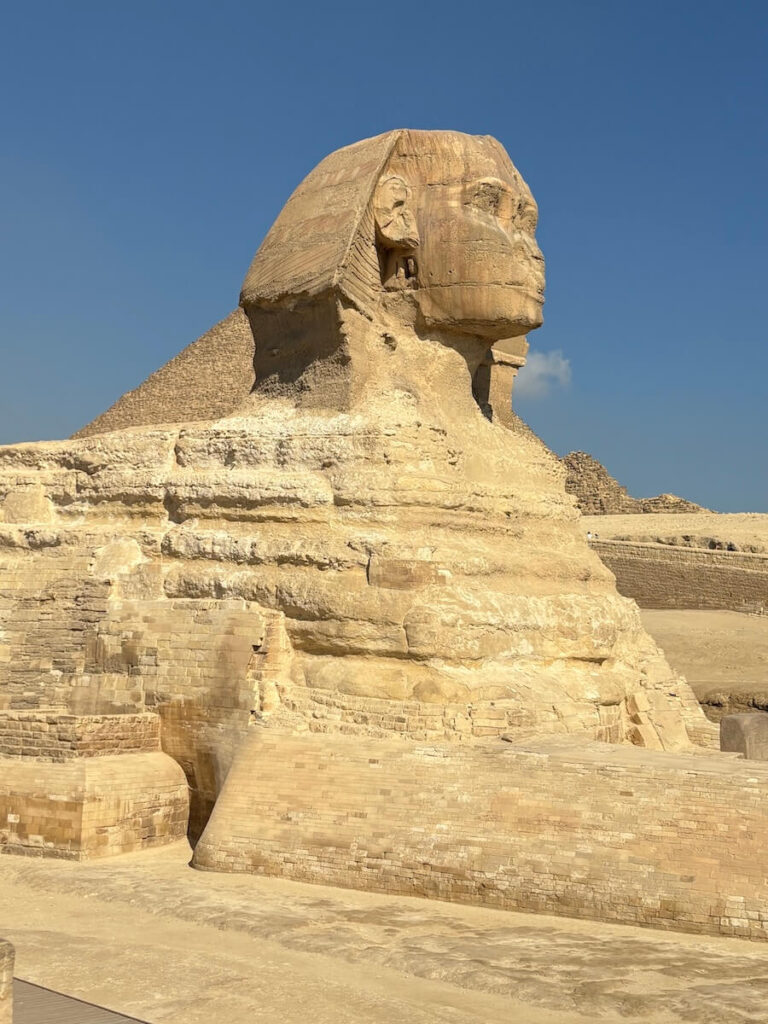
There’s no shortage of debate over how the pyramids, temples, and other ancient structures were constructed in Egypt, but this much is clear: they are engineering wonders.
The architects and builders found the creativity, ingenuity, and persistence it took to orchestrate multi-year projects that stacked stones weighing an average of 2.5 tons on top of each other. Thousands of years later, we can marvel at pyramids that are 200- to nearly 500-feet tall – the equivalent of a building more than 30 stories high.
Don’t quit on a vision that still has life.
By 1914, many Egyptologists agreed they had found everything that could be found in what’s known as the Valley of the Kings. Not Howard Carter. So, after others gave up, Carter secured the rights for digs in areas he believed would produce something significant.
With the financial help of Goerge Herbert (Lord Carnarvon), Carter began excavating in 1917. His work, however, produced almost nothing for five years, and Lord Carnarvon was ready to end their partnership. Carter convinced him to fund one final season of digging at a promising site. And in November 1922, his workers discovered the entrance to the undisturbed tomb of King Tutankamun – King Tut. The four-room tomb was densely packed with around 5,000 items, many made of or encased in gold, making it one of the most significant finds in history.
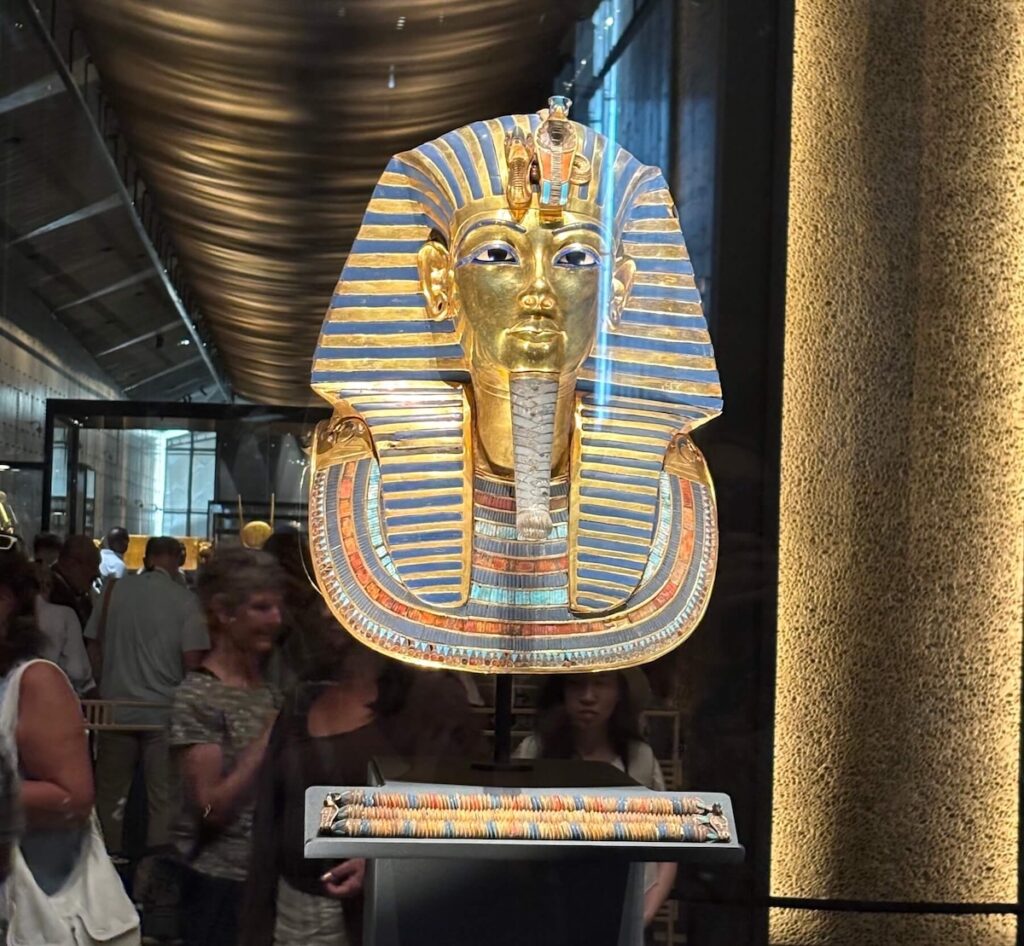
The Grand Egyptian Museum (GEM) – perhaps the best museum I’ve ever visited – now is home to a massive collection of the country’s artifacts, including a King Tut collection. It was one of my favorite stops on a trip full of favorite stops.
In addition to those wow factors and lessons in leadership, the visit to our ancient past was also a powerful reminder of our potential for the future. That might seem like an impossible vision hidden in silt. But it still has life, so we can’t quit on it.